


Introduction
A well-organized pantry is the backbone of a functional kitchen. When your shelves are cluttered and items are difficult to locate, cooking becomes frustrating and time-consuming. Learning how to organize kitchen pantry effectively can completely transform your daily routine, saving time, reducing food waste, and creating a visually pleasing space. Whether you have a small cabinet or a large walk-in pantry, proper organization ensures every ingredient has its place.
Many homeowners struggle with maintaining pantry order due to busy schedules and lack of a structured system. However, mastering how to organize kitchen pantry does not require expensive tools or professional help. With a clear plan, practical storage solutions, and consistent habits, anyone can create a streamlined pantry that works efficiently for their lifestyle.
This detailed guide will walk you through every step, from decluttering to labeling, while offering practical tips that make long-term maintenance easier. By the end, you will fully understand how to organize kitchen pantry in a way that maximizes space and keeps everything accessible.
Why Pantry Organization Matters
Before diving into the process, it is important to understand why learning how to organize kitchen pantry is so valuable. A cluttered pantry leads to duplicate purchases, expired food, and wasted space. In contrast, an organized pantry allows you to see everything clearly, plan meals efficiently, and reduce unnecessary spending.
When items are grouped logically, cooking becomes faster because ingredients are easy to locate. Additionally, maintaining cleanliness becomes simpler when everything has a designated spot. Understanding how to organize kitchen pantry also helps improve food safety by ensuring older items are used first.
Step 1: Empty and Declutter Your Pantry
The first step in mastering how to organize kitchen pantry is to remove everything from the shelves. This may seem overwhelming, but it is necessary to assess what you have and identify items that are no longer useful.
Start by checking expiration dates and discarding expired products. Separate items into categories such as grains, snacks, canned goods, and spices. This process helps you visualize the volume of each category and plan storage accordingly.
Decluttering also involves getting rid of duplicate or unused items. When you focus on reducing excess, organizing becomes much easier. This foundational step is essential for anyone serious about learning how to organize kitchen pantry effectively.
Step 2: Clean the Space Thoroughly
Once the pantry is empty, take time to clean every shelf and corner. Dust, crumbs, and spills can accumulate over time, attracting pests and creating unpleasant odors.
Use a mild cleaner to wipe surfaces and allow them to dry completely before placing items back. Adding shelf liners can protect surfaces and make future cleaning easier. A clean base is crucial when implementing how to organize kitchen pantry strategies that last.
Step 3: Categorize Pantry Items
Grouping similar items together is one of the most effective ways to simplify pantry organization. Categories may include baking supplies, breakfast items, snacks, canned foods, pasta, and spices.
When you categorize properly, it becomes easier to maintain order. You will always know where to find items and where to return them after use. This step plays a central role in understanding how to organize kitchen pantry in a practical way.
Step 4: Choose the Right Storage Containers
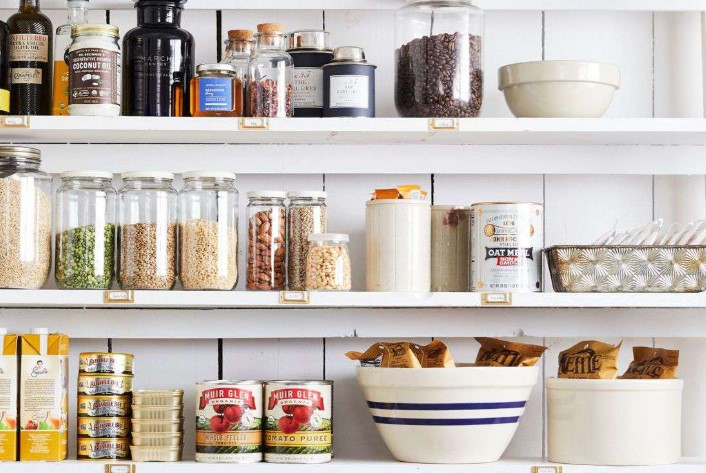
Storage containers are essential tools for maintaining an organized pantry. Airtight containers keep food fresh and prevent spills, while transparent containers allow you to see contents at a glance.
Choose containers that are uniform in size and shape to maximize shelf space. Stackable options are especially useful for small pantries. Investing in quality storage solutions enhances your ability to implement how to organize kitchen pantry efficiently.
Step 5: Use Labels for Easy Identification
Labeling is a simple yet powerful technique. Clearly labeled containers eliminate confusion and help every family member maintain organization.
Labels should include the name of the item and, if necessary, expiration dates. Consistent labeling is a key aspect of mastering how to organize kitchen pantry because it ensures everything remains easy to identify.
Step 6: Arrange Items by Frequency of Use
When deciding where to place items, consider how often you use them. Frequently used items should be placed at eye level for easy access, while less commonly used items can be stored on higher or lower shelves.
This strategic placement reduces effort and keeps your workflow smooth. Understanding this principle is essential when learning how to organize kitchen pantry in a way that supports daily activities.
Step 7: Maximize Vertical Space
Many pantries have unused vertical space that can be utilized with the right tools. Shelf risers, stackable bins, and hanging organizers help you make the most of available space.
By maximizing vertical storage, you can fit more items without creating clutter. This technique is especially helpful in smaller kitchens and is a crucial part of how to organize kitchen pantry effectively.
Step 8: Store Bulk Items Properly
Bulk items such as rice, flour, and grains require special attention. Use large airtight containers to keep them fresh and prevent contamination.
Storing bulk items in designated areas ensures they are easy to access and manage. Proper handling of bulk goods is an important step in mastering how to organize kitchen pantry for long-term efficiency.
Pantry Organization Tools and Their Uses
| Tool Type | Purpose | Best For |
|---|---|---|
| Airtight Containers | Preserve freshness and prevent spills | Dry goods and grains |
| Shelf Risers | Add extra storage layers | Cans and jars |
| Storage Bins | Group similar items | Snacks and packets |
| Lazy Susans | Easy access to items | Spices and sauces |
| Labels | Identify contents quickly | All pantry items |
Step 9: Create Zones for Better Organization
Creating zones is a highly effective way to maintain order. Each section of the pantry should serve a specific purpose, such as a baking zone, snack zone, or breakfast zone.
Zoning ensures that items are always returned to their designated areas. This structured approach simplifies maintenance and reinforces the principles of how to organize kitchen pantry.
Step 10: Maintain a Rotation System
A rotation system helps prevent food waste by ensuring older items are used first. Place newer items behind older ones so that nothing gets forgotten.
This method, often referred to as “first in, first out,” is essential for maintaining an organized and efficient pantry. Incorporating this system is a key part of learning how to organize kitchen pantry properly.
Step 11: Keep an Inventory List
Maintaining an inventory list can help you track what you have and avoid overbuying. This can be a simple written list or a digital note on your phone.
Regularly updating your inventory ensures that your pantry remains organized and functional. It also complements your efforts in mastering how to organize kitchen pantry.
Step 12: Make It Family-Friendly
An organized pantry should be easy for everyone in the household to use. Place frequently used snacks within reach for children and label sections clearly.
When everyone understands the system, maintaining order becomes much easier. This collaborative approach is essential when implementing how to organize kitchen pantry in a busy household.
Step 13: Adjust Based on Your Needs
Every household is different, so your pantry organization system should reflect your lifestyle. If you cook frequently, prioritize easy access to ingredients. If you rely on packaged foods, focus on clear labeling and grouping.
Flexibility is important when learning how to organize kitchen pantry, as it allows you to adapt the system to your changing needs.
Step 14: Regular Maintenance Routine
Even the best-organized pantry requires regular upkeep. Set aside time each week to tidy up, check for expired items, and restock essentials.
Consistency is key to maintaining the benefits of how to organize kitchen pantry. A few minutes of maintenance can prevent clutter from building up again.
Step 15: Avoid Common Pantry Organization Mistakes
Many people make mistakes that hinder their efforts. Overcrowding shelves, ignoring expiration dates, and failing to label containers are common issues.
Avoiding these mistakes ensures that your pantry remains functional and efficient. Learning what not to do is just as important as understanding how to organize kitchen pantry.
Benefits of an Organized Pantry
Once you successfully implement these strategies, the benefits become immediately noticeable. Cooking becomes more enjoyable, grocery shopping becomes more efficient, and food waste is significantly reduced.
An organized pantry also creates a sense of calm and control in your kitchen. These advantages highlight the importance of mastering how to organize kitchen pantry and maintaining it over time.
Conclusion
Organizing your pantry may seem like a daunting task at first, but with a structured approach, it becomes manageable and even rewarding. By following the steps outlined in this guide, you can create a pantry that is both functional and visually appealing.
Understanding how to organize kitchen pantry is not just about arranging items; it is about creating a system that supports your daily life. From decluttering and categorizing to labeling and maintaining, each step plays a crucial role in achieving long-term organization.
Consistency is the key to success. Once your pantry is organized, regular maintenance will ensure it stays that way. Over time, these habits will become second nature, making your kitchen a more efficient and enjoyable space.
Read More:- How to Sharpen Kitchen Knives: Complete Expert Guide