

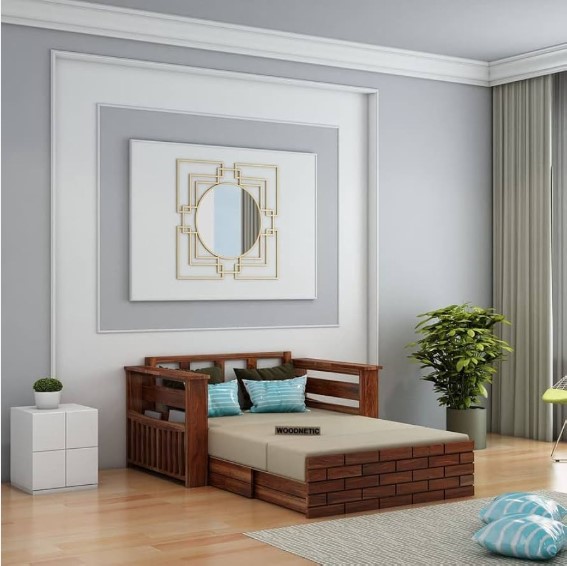

1. What are home furniture design?
Home furniture design refers to the planning, styling, and arrangement of furniture to enhance both aesthetics and functionality. It combines comfort, usability, and visual appeal to create a cohesive living space.
2. Best home furniture design
The best home furniture design focuses on space-saving, durability, and modern aesthetics. Minimalist, modular, and multifunctional furniture styles are currently trending for practical living.
3. How to choose home furniture design
Choose furniture based on room size, lifestyle needs, and interior theme. Prioritize quality materials, ergonomic comfort, and designs that maximize storage and usability.
Introduction
Have you ever walked into a room and felt instantly comfortable—or completely out of place? The difference often lies in how furniture is designed and arranged. A well-thought-out living space isn’t just about decoration; it’s about creating harmony between style and functionality.
Today, with evolving lifestyles and shrinking living spaces, furniture plays a bigger role than ever. Whether you live in a compact apartment or a spacious home, the right design choices can completely transform your environment. From modular sofas to smart storage beds, modern furniture is all about adapting to your needs.
Understanding home furniture design is essential if you want to create a space that reflects your personality while maintaining comfort and efficiency. This guide will walk you through everything—from trends to practical tips—so you can design a home that truly feels like yours.
Quick Summary
- Focus on functionality and aesthetics together
- Choose furniture based on space and lifestyle
- Use multi-purpose pieces for better efficiency
- Invest in durable and ergonomic designs
Understanding Modern Living Spaces
Modern homes are no longer just about filling rooms with furniture—they are about intentional design. Today’s interiors emphasize clean lines, open layouts, and efficient use of space. Furniture must adapt to these changes, offering flexibility and practicality.
For example, in urban homes, space optimization is crucial. Foldable tables, modular sofas, and storage beds are increasingly popular because they serve multiple purposes. At the same time, materials like engineered wood, metal, and eco-friendly fabrics are gaining attention for their durability and sustainability.
Another important factor is personalization. Homeowners are moving away from generic setups and choosing pieces that reflect their taste. Whether it’s a minimalist Scandinavian look or a bold contemporary theme, furniture plays a central role in defining the overall vibe.

Key Elements of Home Furniture Design
Functionality and Comfort
Furniture should not only look good but also serve its purpose effectively. Ergonomic chairs, supportive mattresses, and spacious wardrobes enhance everyday living. Comfort is especially important in frequently used areas like the living room and bedroom.
Aesthetic Appeal
Color schemes, textures, and shapes contribute to the visual harmony of a space. Neutral tones with occasional bold accents are widely preferred because they create a balanced and timeless look.
Space Optimization
Efficient use of space is essential, especially in smaller homes. Multi-functional furniture such as sofa beds or extendable dining tables helps maximize usability without cluttering the room.
Home Furniture Design Trends You Should Know
Furniture trends evolve with changing lifestyles. Currently, minimalism and sustainability dominate the market. People prefer fewer but more meaningful pieces that serve multiple purposes.
Natural materials like wood and rattan are making a comeback, while smart furniture with built-in charging ports and storage options is gaining popularity. According to industry insights, nearly 60% of homeowners now prioritize multifunctional furniture when designing their interiors.
Another growing trend is modular furniture. These pieces can be rearranged or expanded, making them perfect for dynamic living environments. Whether you are redesigning your home or starting from scratch, staying updated with these trends can help you make better choices.
Comparison of Popular Furniture Styles
| Style Type | Features | Best For |
|---|---|---|
| Minimalist | Clean lines, neutral colors | Small modern homes |
| Traditional | Detailed designs, rich textures | Classic interiors |
| Contemporary | Bold shapes, mixed materials | Trendy urban spaces |
| Industrial | Metal, wood, raw finishes | Loft-style apartments |
Real-Life Example
Imagine a young professional living in a 2BHK apartment. Instead of overcrowding the space, they opt for a modular sofa, a foldable dining table, and a bed with built-in storage. This setup not only saves space but also keeps the home organized and visually appealing.
This example highlights how smart furniture choices can make even compact spaces feel spacious and functional.
Pros and Cons
Pros:
- Enhances comfort and usability
- Improves visual appeal of the home
- Maximizes space efficiency
- Offers customization options
Cons:
- High-quality furniture can be expensive
- Requires planning and research
- Trends may change quickly
Expert Tips for Better Furniture Choices
- Measure your space before buying anything
- Choose neutral colors for long-term use
- Invest in quality over quantity
- Mix textures for a richer look
Common Mistakes to Avoid
- Buying oversized furniture for small rooms
- Ignoring storage needs
- Following trends blindly
- Compromising comfort for aesthetics
Who Should Use This Approach?
This approach is ideal for homeowners, renters, and even interior enthusiasts who want to create a balanced living space. Whether you are setting up your first home or upgrading your current one, thoughtful furniture planning can make a significant difference.
It is especially useful for people living in urban areas where space is limited. By choosing the right pieces, you can create a home that is both stylish and practical.
FAQs
1. What is the importance of home furniture design?
It ensures your home is both functional and visually appealing, improving comfort and usability.
2. How often should I update my furniture?
Furniture should be updated based on wear, lifestyle changes, or evolving design preferences.
3. What factors should I consider before buying furniture?
Consider size, material, comfort, durability, and how well it fits your interior theme.
4. Is custom furniture a good option?
Yes, custom furniture allows better space utilization and personalization.
5. How does home furniture design affect lifestyle?
It influences daily comfort, organization, and overall mood within your living space.
Summary Recap
Creating a well-designed home is about more than just choosing attractive furniture. It requires a thoughtful balance between style, comfort, and practicality. By understanding modern trends, avoiding common mistakes, and focusing on your personal needs, you can transform any space into a functional and beautiful environment.
Conclusion
A well-planned home furniture design can completely change how you experience your living space. It’s not just about filling rooms—it’s about creating an environment that supports your lifestyle and reflects your personality. By investing in smart, functional, and aesthetically pleasing furniture, you can build a home that feels both inviting and efficient. Take your time, plan carefully, and make choices that truly enhance your everyday life.
Read More:-Modern Hall Furniture Design Ideas for Stylish Living Spaces