


Introduction
A sharp knife is the backbone of every efficient kitchen. Whether you are preparing vegetables, slicing meat, or dicing herbs, the quality of your knife directly impacts your cooking experience. Many people overlook the importance of maintaining sharp blades, often working with dull knives that make cooking harder and more dangerous. Understanding how to sharpen kitchen knives is a valuable skill that not only improves precision but also enhances safety.
Dull knives require more force, increasing the chances of slipping and causing injuries. On the other hand, sharp knives glide through ingredients smoothly, allowing for clean cuts and better presentation. Learning how to sharpen kitchen knives ensures your tools remain reliable, saving time and effort in the long run.
In this comprehensive guide, you will discover everything from the basics of knife sharpening to advanced techniques, tools, and maintenance tips. By the end, you will have the confidence to keep your knives in excellent condition for years to come.
Why Knife Sharpening Is Essential
Before diving into techniques, it is important to understand why sharpening matters. Many people confuse sharpening with honing, but they serve different purposes. Sharpening removes material from the blade to create a new edge, while honing simply realigns the edge.
Learning how to sharpen kitchen knives regularly offers several benefits. It improves cutting efficiency, reduces fatigue during cooking, and ensures consistent results. A well-maintained knife also lasts longer, saving you money on replacements.
Additionally, sharp knives are safer than dull ones. While it may seem counterintuitive, a sharp blade requires less pressure, reducing the risk of slipping and accidental cuts.
Signs Your Knife Needs Sharpening
Knowing when to sharpen your knife is just as important as knowing how. Here are some clear signs:
- Difficulty cutting through soft foods like tomatoes
- Crushing instead of slicing ingredients
- Uneven or jagged cuts
- Increased effort while chopping
- Blade slipping off food surfaces
If you notice any of these signs, it is time to learn how to sharpen kitchen knives and restore your blade’s edge.
Tools for Sharpening Kitchen Knives
There are several tools available for sharpening knives, each with its own advantages. Choosing the right one depends on your skill level and preference.
1. Whetstones (Sharpening Stones)
Whetstones are the most traditional and effective tool. They come in different grit levels, ranging from coarse to fine. They provide excellent control and produce razor-sharp edges.
2. Honing Rod
Although not technically a sharpening tool, a honing rod helps maintain the edge between sharpening sessions.
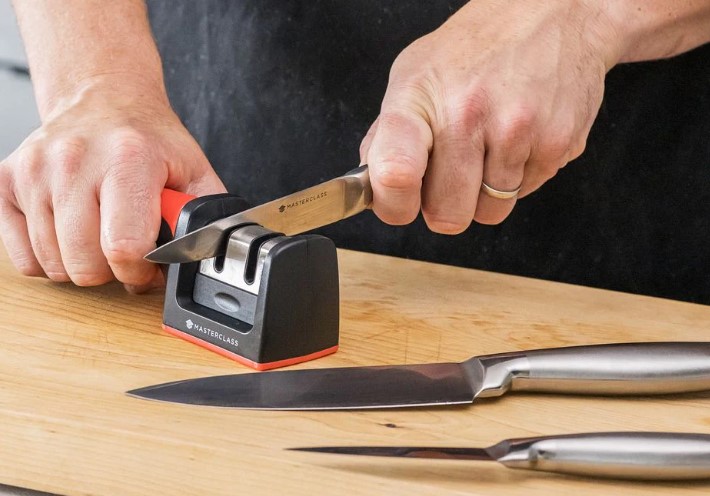
3. Manual Knife Sharpeners
These are user-friendly tools with preset angles. They are ideal for beginners who are learning how to sharpen kitchen knives.
4. Electric Knife Sharpeners
These machines offer convenience and speed. However, they remove more material from the blade and may shorten its lifespan if used excessively.
Understanding Grit Levels
Grit refers to the coarseness of the sharpening surface. Knowing the right grit is crucial when learning how to sharpen kitchen knives.
- Coarse (200–600): Repairs damaged edges
- Medium (800–2000): General sharpening
- Fine (3000–8000): Polishing and refining
Using the correct grit ensures optimal results and prevents unnecessary damage to your knife.
Step-by-Step Guide: How to Sharpen Kitchen Knives
Step 1: Prepare Your Tools
Soak your whetstone in water for about 10–15 minutes if required. Place it on a stable surface to prevent movement.
Step 2: Find the Right Angle
Hold the knife at a consistent angle, typically between 15 to 20 degrees. Maintaining this angle is key when mastering how to sharpen kitchen knives.
Step 3: Start Sharpening
Slide the blade across the stone in a sweeping motion, starting from the heel to the tip. Apply gentle pressure and repeat several times.
Step 4: Switch Sides
Flip the knife and repeat the process on the other side to ensure an even edge.
Step 5: Use Finer Grit
Move to a finer grit stone to refine and polish the edge.
Step 6: Test Sharpness
Check the sharpness by slicing a piece of paper or a tomato. A sharp knife should cut effortlessly.
Step 7: Clean and Dry
Rinse the knife and dry it thoroughly to prevent rust.
Common Mistakes to Avoid
Even with the right tools, mistakes can affect your results. Here are some to watch out for:
- Using inconsistent angles
- Applying too much pressure
- Skipping grit levels
- Over-sharpening
- Neglecting regular maintenance
Avoiding these errors will help you master how to sharpen kitchen knives more effectively.
Sharpening Frequency
How often you sharpen depends on usage. For home cooks, sharpening every few months is sufficient, while professionals may need to do it more frequently.
Regular honing between sharpening sessions helps maintain the edge and reduces the need for frequent sharpening.
Comparison of Knife Sharpening Tools
| Tool Type | Skill Level | Advantages | Disadvantages |
|---|---|---|---|
| Whetstone | Intermediate | Precise control, best results | Requires practice |
| Honing Rod | Beginner | Maintains edge, easy to use | Does not sharpen |
| Manual Sharpener | Beginner | Simple and quick | Limited control |
| Electric Sharpener | Beginner | Fast and convenient | Can wear down blade quickly |
Tips for Maintaining Sharp Knives
Once you learn how to sharpen kitchen knives, proper maintenance becomes essential.
- Store knives in a knife block or magnetic strip
- Avoid cutting on hard surfaces like glass or stone
- Clean knives immediately after use
- Dry thoroughly to prevent rust
- Use a honing rod regularly
These habits will extend the life of your knives and keep them performing at their best.
Different Types of Kitchen Knives and Their Needs
Not all knives are the same, and each type requires specific care.
Chef’s Knife
This versatile knife benefits from regular sharpening due to frequent use.
Paring Knife
Used for delicate tasks, it requires precision and a finely polished edge.
Bread Knife
Serrated knives do not need frequent sharpening but require special tools when they do.
Santoku Knife
Popular for its precision, it requires careful angle maintenance.
Understanding these differences is important when learning how to sharpen kitchen knives effectively.
Safety Tips While Sharpening
Safety should always be a priority. Follow these precautions:
- Keep fingers away from the blade edge
- Use a stable surface
- Work slowly and carefully
- Avoid distractions
- Use protective gloves if necessary
Practicing safe techniques ensures a smooth learning process.
Benefits of Sharpening at Home
Learning how to sharpen kitchen knives at home offers multiple advantages. It saves money on professional services and gives you full control over the sharpening process. It also allows you to maintain your knives whenever needed, ensuring they are always ready for use.
Advanced Sharpening Techniques
As you gain experience, you can explore advanced methods such as:
- Using leather strops for polishing
- Adjusting angles for different blades
- Combining multiple stones for optimal results
These techniques help achieve professional-level sharpness.
Environmental and Cost Benefits
Maintaining your knives reduces waste and extends their lifespan. Instead of replacing dull knives, sharpening them keeps them functional for years. This not only saves money but also minimizes environmental impact.
Conclusion
Mastering how to sharpen kitchen knives is an essential skill for anyone who spends time in the kitchen. It enhances safety, improves efficiency, and ensures better cooking results. With the right tools, techniques, and regular maintenance, you can keep your knives in excellent condition.
From understanding grit levels to practicing proper angles, every step contributes to achieving a razor-sharp edge. Avoid common mistakes, follow safety guidelines, and choose the right tools based on your needs.
By investing time in learning how to sharpen kitchen knives, you are not just maintaining your tools—you are elevating your entire cooking experience. Sharp knives make preparation easier, faster, and more enjoyable, allowing you to focus on creativity and flavor in the kitchen.
Read More:- How to Organize Kitchen Cabinets for Maximum Efficiency