


Introduction
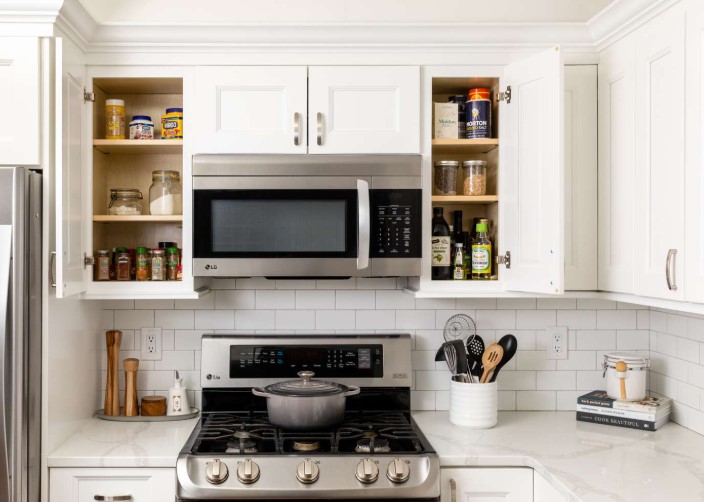
A well-organized kitchen is the heart of a functional home, and cabinets play a crucial role in maintaining order. If your cabinets are cluttered, overstuffed, or difficult to navigate, cooking and cleaning can quickly become stressful tasks. Understanding how to organize kitchen cabinets can transform your kitchen into a more efficient, visually appealing, and enjoyable space.
Many people struggle with limited storage, mismatched containers, and items that seem to disappear into the depths of cabinets. However, with a strategic approach, even the smallest kitchen can feel spacious and organized. This guide will walk you through practical, actionable steps to help you master how to organize kitchen cabinets effectively while maximizing every inch of space.
By the end of this blog, you will have a clear understanding of organizing techniques, smart storage solutions, and maintenance tips that keep your kitchen neat for the long term.
Why Cabinet Organization Matters
Before diving into methods, it is important to understand why learning how to organize kitchen cabinets is essential. A well-structured cabinet system saves time, reduces waste, and improves efficiency. When everything has a designated place, you avoid buying duplicate items and can easily find what you need.
Organized cabinets also enhance hygiene. Properly stored food items reduce the risk of contamination and spoilage. Additionally, a clutter-free cabinet makes cleaning easier, ensuring your kitchen remains a safe and pleasant environment.
Step 1: Empty and Assess Everything
The first step in mastering how to organize kitchen cabinets is to completely empty them. This allows you to see exactly what you own and identify unnecessary items.
Lay everything out on a countertop or table and group similar items together. As you sort, ask yourself:
- Do I use this regularly?
- Is it in good condition?
- Does it belong in the kitchen?
Discard expired items, donate duplicates, and set aside rarely used tools. This process creates a clean slate for organizing your cabinets effectively.
Step 2: Categorize Your Kitchen Items
Once you have decluttered, the next step in how to organize kitchen cabinets is categorization. Group items based on their purpose or frequency of use.
Common categories include:
- Everyday dishes and glasses
- Cooking utensils and tools
- Pantry items like grains and spices
- Baking supplies
- Cleaning products
Categorizing helps you determine the best placement for each group and ensures logical organization throughout your cabinets.
Step 3: Prioritize Accessibility
Accessibility is key when learning how to organize kitchen cabinets. Frequently used items should be placed at eye level or within easy reach, while rarely used items can be stored higher or deeper.
For example, keep daily plates and bowls in cabinets close to the dishwasher or sink. Store heavy pots and pans in lower cabinets to avoid strain. By prioritizing accessibility, you create a more ergonomic and user-friendly kitchen layout.
Step 4: Use Storage Solutions Wisely
Modern storage solutions can significantly improve cabinet organization. Incorporating tools such as shelf risers, pull-out drawers, and dividers can help you maximize space.
Here is a helpful table outlining common storage tools and their uses:
| Storage Tool | Purpose | Best For |
|---|---|---|
| Shelf Risers | Double vertical space | Plates, bowls |
| Drawer Dividers | Separate small items | Utensils, cutlery |
| Lazy Susans | Easy rotation and access | Spices, condiments |
| Pull-Out Shelves | Access deep cabinets | Pots, pantry items |
| Storage Bins | Group similar items | Snacks, packets |
Using these tools effectively is a crucial part of understanding how to organize kitchen cabinets and making the most of limited space.
Step 5: Arrange Items Strategically
Strategic placement is a core principle of how to organize kitchen cabinets. Arrange items based on workflow and convenience.
For example:
- Place cooking oils and spices near the stove
- Store baking supplies together in one cabinet
- Keep cleaning products under the sink
- Arrange dishes near the dining area
This arrangement reduces unnecessary movement and makes cooking more efficient.
Step 6: Label Everything Clearly
Labeling is a simple yet powerful step in how to organize kitchen cabinets. Clear labels help you quickly identify contents and maintain organization over time.
Use labels for containers, bins, and shelves. This is especially useful for pantry items like flour, sugar, and rice. Labeling ensures that every item has a designated place, making it easier to keep cabinets tidy.
Step 7: Optimize Vertical Space
Vertical space is often underutilized in kitchen cabinets. Learning how to organize kitchen cabinets includes making full use of this area.
Install hooks, stackable shelves, or hanging racks to store items efficiently. For instance, you can hang mugs or utensils inside cabinet doors. This approach maximizes storage without overcrowding shelves.
Step 8: Store Items in Containers
Using uniform containers is a smart way to enhance organization. Transparent containers allow you to see contents easily, while airtight options keep food fresh.
When practicing how to organize kitchen cabinets, transfer bulk items into labeled containers. This reduces clutter from packaging and creates a clean, cohesive look inside your cabinets.
Step 9: Maintain a System
Organization is not a one-time task. Maintaining your system is essential for long-term success. Once you understand how to organize kitchen cabinets, make it a habit to return items to their designated spots.
Regularly check for expired items and reorganize as needed. A quick weekly review can prevent clutter from building up again.
Step 10: Customize Based on Your Needs
Every kitchen is different, so customization is key. Tailor your organization system to suit your cooking habits and lifestyle.
For example, if you cook frequently, prioritize easy access to utensils and ingredients. If you bake often, dedicate a cabinet to baking supplies. Personalizing your approach ensures that your efforts in how to organize kitchen cabinets are both practical and sustainable.
Common Mistakes to Avoid
While learning how to organize kitchen cabinets, it is important to avoid common pitfalls. Overloading shelves can lead to clutter and difficulty accessing items. Ignoring categorization can result in confusion and inefficiency.
Another mistake is failing to maintain the system. Without regular upkeep, even the most organized cabinets can become messy again. Being mindful of these mistakes helps you achieve lasting organization.
Benefits of Organized Kitchen Cabinets
Mastering how to organize kitchen cabinets offers numerous benefits. It saves time by making items easy to locate and reduces stress during meal preparation. A clean and organized kitchen also improves overall hygiene and creates a more inviting environment.
Additionally, organized cabinets can enhance the visual appeal of your kitchen. Neatly arranged items and uniform containers contribute to a polished and professional look.
Conclusion
Understanding how to organize kitchen cabinets is a valuable skill that can transform your kitchen into a functional and efficient space. By decluttering, categorizing, and using smart storage solutions, you can maximize your cabinet space and simplify your daily routine.
The key to success lies in consistency and customization. Tailor your organization system to your needs and maintain it regularly to prevent clutter from returning. With the right approach, your kitchen cabinets can become a well-structured, stress-free area that supports your lifestyle.
Whether you have a small kitchen or a spacious one, applying these strategies will help you achieve lasting organization. Start today, and experience the difference a well-organized kitchen can make in your home.
Read More:- America’s Test Kitchen: The Ultimate Guide to Smart Cooking