


Creating an energy-efficient home is a vital step toward reducing your environmental impact and lowering your monthly utility costs.
A well-optimized residence maintains a consistent internal climate while consuming minimal resources, providing a comfortable living space regardless of the external weather conditions.
Achieving high levels of efficiency requires a comprehensive approach that addresses insulation, lighting, and the integration of modern technology.
By following strategic improvement tips, you can transform your property into a sustainable haven that preserves natural resources and enhances your overall quality of life.
1. Enhancing Thermal Performance With High Quality Replacement Windows
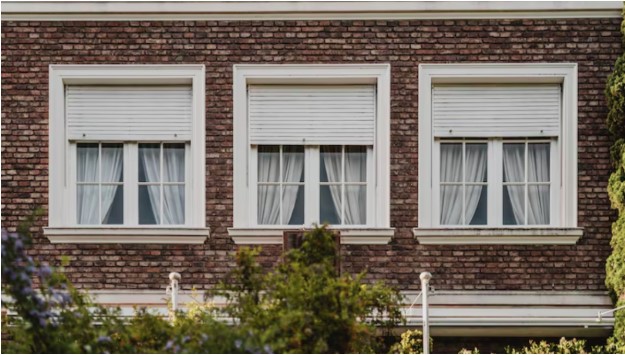
The windows of a home are often the primary source of heat gain and loss throughout the year. One of the most impactful upgrades you can perform is the installation of modern replacement windows.
These advanced units feature multi-pane glass and specialized coatings designed to reflect infrared light while trapping heat inside during the winter. By choosing high-performance replacement windows, you create a more robust thermal barrier that prevents air leakage.
This upgrade not only stabilizes your indoor temperature but also significantly reduces the workload on your heating and cooling systems, leading to substantial long-term savings.
2. Refining Light And Heat Control With Plantation Shutters
Window treatments play a dual role in both aesthetic appeal and energy conservation. To achieve a sophisticated interior while gaining precise control over solar heat gain, consider the addition of custom plantation shutters.
These sturdy wooden or composite fixtures provide an excellent layer of insulation when closed, effectively blocking out the harsh summer sun. Unlike standard blinds, plantation shutters offer a tight fit against the window frame, which helps minimize drafts.
The ability to tilt the louvers allows you to enjoy natural light without the associated heat, making plantation shutters a versatile tool for maintaining a cool and energy-efficient home.
3. Optimizing Attic And Wall Insulation
A significant portion of a home’s energy is wasted due to inadequate insulation in the attic and walls. Heat naturally rises, and without proper barriers, it escapes through the roof during colder months.
Upgrading your insulation to high-density materials ensures that your home retains the energy you pay for. Additionally, sealing gaps around pipes, vents, and electrical outlets prevents minor drafts from compromising your home’s thermal integrity.
A well-insulated structure acts like a thermos, keeping the conditioned air inside and the external elements at bay.
4. Transitioning To Smart LED Lighting Solutions
Lighting accounts for a significant percentage of a household’s electricity consumption. Transitioning to LED bulbs is one of the easiest and most cost-effective ways to increase efficiency. LEDs consume up to 75 percent less energy than traditional incandescent bulbs and last significantly longer.
To further enhance your savings, integrate smart lighting controls that allow you to schedule when lights turn on and off. Motion sensors and dimmers ensure that energy is never wasted in unoccupied rooms, contributing to a more streamlined and eco-friendly home environment.
5. Upgrading To Energy Star Rated Appliances
The appliances you use daily, such as refrigerators, washing machines, and dishwashers, can be major energy consumers if they are outdated. When renovating your home, prioritize the purchase of appliances with high energy ratings.
These modern machines are engineered to perform at peak levels using a fraction of the electricity and water required by older models.
While the initial investment may be higher, the reduction in your monthly utility bills and the increased lifespan of the hardware provide a clear and compelling return on investment over time.