


Designing a room is far more than just placing furniture—it’s about creating a space that reflects your personality while offering comfort and functionality. A well-planned room furniture design can transform even the smallest or simplest space into something visually appealing and highly practical. Whether you’re decorating a bedroom, living room, or studio apartment, the right furniture choices can significantly influence how the space feels and functions.
Today, modern homes demand smarter solutions. With shrinking spaces and evolving lifestyles, furniture is no longer just decorative—it must serve multiple purposes. From modular pieces to space-saving designs, the concept of room furniture design has evolved into a blend of creativity, innovation, and efficiency. This article explores everything you need to know to design a room that is both stylish and functional.
Understanding the Basics of Room Furniture Design
At its core, room furniture design revolves around balancing aesthetics with usability. A well-designed room should not only look good but also support daily activities comfortably. This means considering factors like layout, proportions, color coordination, and furniture functionality.
The first step is understanding the purpose of the room. A bedroom requires calm and relaxation, while a living room often needs to accommodate social interactions. Once the purpose is clear, furniture selection becomes easier. For instance, a compact sofa bed might work better in a studio apartment, while a sectional sofa suits larger living rooms.
Another important aspect is scale and proportion. Oversized furniture in a small room can make the space feel cramped, while tiny furniture in a large room may look lost. Achieving the right balance ensures harmony and comfort.

Choosing the Right Furniture for Different Rooms
Living Room Furniture Design
The living room is often the focal point of a home, making room furniture design especially important here. This space should combine comfort with visual appeal, as it’s where guests are entertained and families gather.
A well-designed living room typically includes a sofa, coffee table, and storage units. However, modern trends favor multifunctional furniture. For example, a coffee table with storage compartments or a sofa with a pull-out bed can maximize utility without sacrificing style.
Lighting also plays a key role. Pairing furniture with proper lighting enhances the ambiance and highlights design elements.
Bedroom Furniture Design
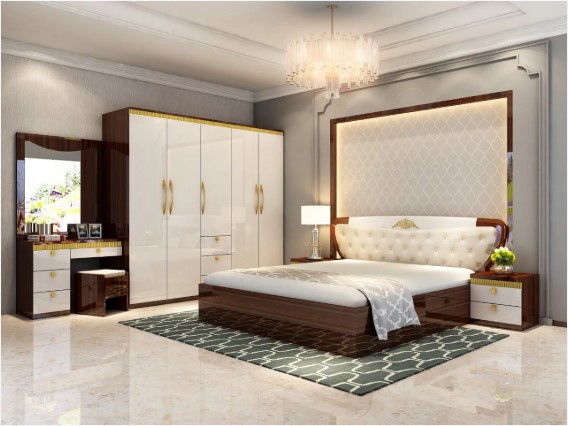
Bedrooms require a more personal and relaxing approach to room furniture design. The bed is the centerpiece, but other elements like wardrobes, bedside tables, and dressers are equally important.
Minimalism works particularly well in bedrooms. Clean lines, neutral colors, and clutter-free layouts create a calming environment. Storage beds and wall-mounted shelves are excellent options for optimizing space while maintaining a sleek look.
Dining Room Furniture Design
Dining areas benefit from thoughtful furniture arrangements that encourage interaction. A dining table should fit comfortably within the space, allowing enough room for movement.
Modern room furniture design trends suggest using extendable tables, especially for smaller homes. Chairs with ergonomic designs ensure comfort during long meals, while sideboards provide additional storage.
Popular Room Furniture Design Styles
Choosing a design style is essential for creating a cohesive look. Each style offers a unique aesthetic and feel.
- Modern Style: Characterized by clean lines, neutral colors, and minimal decoration. Ideal for contemporary homes.
- Traditional Style: Features rich wood tones, intricate detailing, and classic furniture pieces.
- Minimalist Style: Focuses on simplicity, functionality, and clutter-free spaces.
- Industrial Style: Combines raw materials like metal and wood for a rugged, urban look.
Each of these styles influences how room furniture design is approached, from material selection to layout planning.
Space Optimization Techniques in Furniture Design
In today’s compact homes, optimizing space is crucial. Smart room furniture design focuses on maximizing every inch without compromising comfort.
One effective approach is using multifunctional furniture. A sofa that converts into a bed or a table that doubles as a workspace can significantly enhance usability. Vertical space utilization is another key strategy. Wall-mounted shelves and cabinets free up floor space, making the room appear larger.
Mirrors also play a subtle but powerful role. Strategically placed mirrors reflect light and create an illusion of spaciousness, enhancing the overall design.
Materials and Finishes: What Works Best?
The choice of materials can dramatically impact both the durability and appearance of furniture. Wood remains a timeless option, offering warmth and versatility. Engineered wood, on the other hand, provides a budget-friendly alternative with similar aesthetics.
Metal furniture is gaining popularity in modern room furniture design, especially in industrial-style interiors. Glass elements, such as tabletops or shelves, add a touch of elegance and make spaces feel more open.
Finishes also matter. Matte finishes create a subtle and sophisticated look, while glossy finishes add brightness and a contemporary feel.
Color Psychology in Room Furniture Design
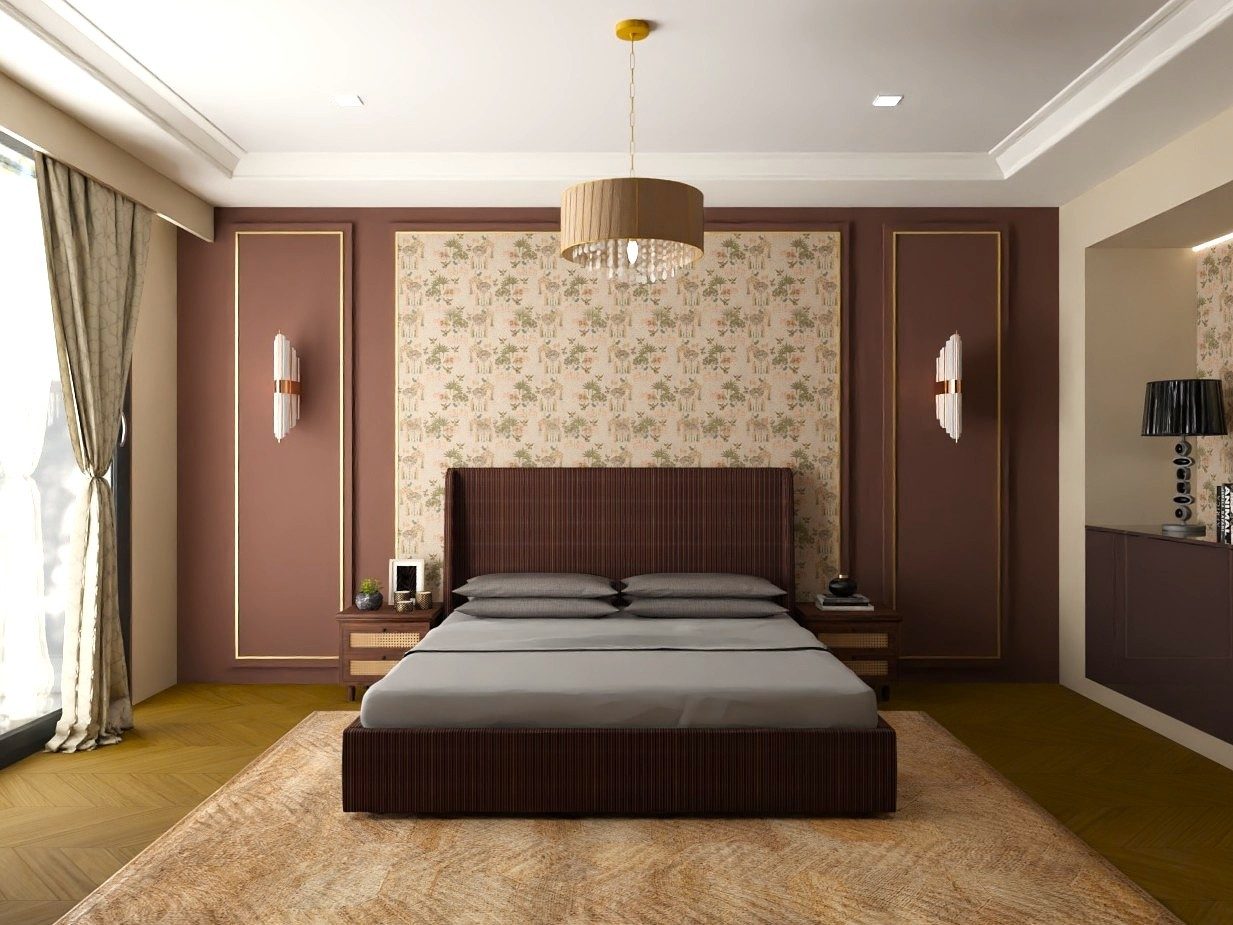
Colors influence mood and perception, making them a vital part of room furniture design. Neutral tones like white, beige, and gray create a calm and spacious feel, while bold colors like navy blue or emerald green add depth and character.
A balanced color palette ensures visual harmony. For instance, pairing light-colored walls with darker furniture creates contrast without overwhelming the space. Accent pieces, such as cushions or rugs, can introduce pops of color without committing to bold furniture choices.
Key Elements of Functional Furniture
When designing a room, functionality should never be overlooked. The best room furniture design seamlessly combines style with practicality.
- Storage solutions like built-in cabinets or under-bed drawers help reduce clutter.
- Foldable or expandable furniture adapts to changing needs.
- Ergonomic designs ensure comfort and support during daily use.
- Lightweight furniture allows easy rearrangement and flexibility.
These elements ensure that your room remains both beautiful and efficient.
Table: Comparison of Furniture Types for Small vs Large Rooms
| Feature | Small Rooms | Large Rooms |
|---|---|---|
| Furniture Size | Compact and multifunctional | Larger, statement pieces |
| Storage Options | Hidden or vertical storage | Freestanding cabinets and units |
| Layout | Space-saving, minimal | Open and expansive |
| Design Focus | Functionality | Aesthetics + functionality |
| Flexibility | High (movable and foldable items) | Moderate (fixed layouts common) |
Lighting and Accessories in Furniture Design
Lighting enhances the effectiveness of room furniture design by highlighting textures, colors, and layouts. Ambient lighting creates a warm atmosphere, while task lighting supports specific activities like reading or working.
Accessories such as rugs, curtains, and artwork complement furniture and tie the entire design together. However, moderation is key. Too many accessories can clutter the space and diminish the impact of well-chosen furniture.
Common Mistakes to Avoid
Even with the best intentions, certain mistakes can undermine your room furniture design efforts.
- Overcrowding the room with too much furniture reduces functionality.
- Ignoring proportions leads to imbalance in the space.
- Choosing style over comfort can make the room impractical.
- Lack of planning often results in mismatched furniture and poor layout.
Avoiding these pitfalls ensures a more cohesive and comfortable living environment.
FAQs
What is room furniture design?
Room furniture design refers to the planning and arrangement of furniture within a space to achieve both functionality and aesthetic appeal. It involves selecting the right pieces, layout, colors, and materials to suit the room’s purpose and size.
How do I choose the right furniture for a small room?
For small spaces, opt for multifunctional and compact furniture. Pieces like foldable tables, storage beds, and wall-mounted shelves help maximize space while maintaining a clean and organized look.
What are the latest trends in room furniture design?
Modern trends include minimalism, multifunctional furniture, sustainable materials, and smart storage solutions. Neutral color palettes with bold accents are also popular in contemporary interiors.
How important is color in furniture design?
Color plays a crucial role in setting the mood of a room. Light colors make spaces appear larger and more open, while darker tones add depth and sophistication. A balanced palette enhances overall design harmony.
Can I mix different furniture styles in one room?
Yes, mixing styles can create a unique and personalized look. However, maintaining a common element—such as color or material—helps ensure the design remains cohesive rather than chaotic.
Conclusion
Creating the perfect room is both an art and a science. A thoughtful room furniture design goes beyond aesthetics—it improves functionality, enhances comfort, and reflects personal style. By understanding the basics, choosing the right furniture, and incorporating smart design techniques, you can transform any space into a harmonious and inviting environment.
Read More:-Modern Kitchen Furniture Design Ideas for Stylish Homes