

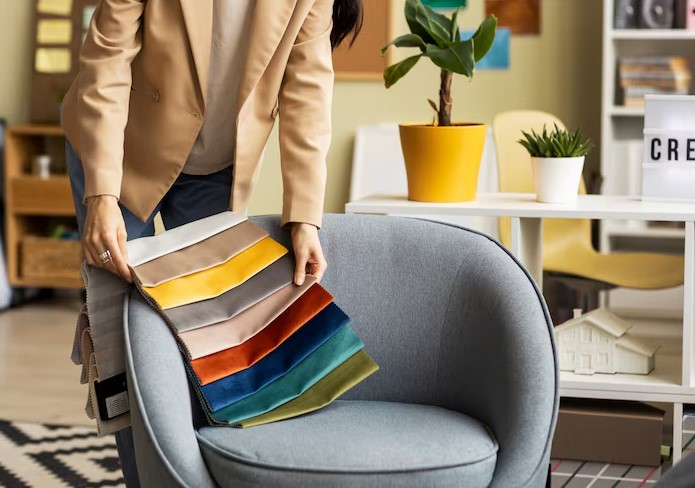

Furniture is more than just a functional necessity—it defines how a space feels, looks, and functions. Whether you’re designing a cozy living room, a productive workspace, or a stylish bedroom, the right furniture choices can completely transform the environment. Over the years, furniture design has evolved from simple craftsmanship to a sophisticated blend of art, ergonomics, and innovation.
Today, homeowners and designers alike are paying closer attention to how furniture impacts both aesthetics and lifestyle. Modern furniture design focuses on maximizing comfort while maintaining visual appeal, often incorporating sustainable materials and smart technology. This shift reflects changing lifestyles where flexibility, minimalism, and personalization play a crucial role.
Understanding the principles, styles, and trends of furniture design can help you make smarter decisions, whether you’re redecorating a single room or planning an entire home makeover. In this article, we’ll explore everything from popular styles to materials and future trends in detail.
Understanding Furniture Design
What is Furniture Design?
At its core, furniture design is the process of creating functional and aesthetically pleasing objects that support daily activities. It combines elements of architecture, interior design, and industrial design to produce pieces that are both practical and visually appealing.
Modern furniture design goes beyond traditional craftsmanship. Designers now consider ergonomics, sustainability, and user experience. For example, a well-designed chair is not just about appearance—it must provide proper support, comfort, and durability over time.
Why Furniture Design Matters
The importance of furniture design lies in its ability to shape how we interact with our environment. Poorly designed furniture can lead to discomfort and inefficiency, while thoughtfully crafted pieces can improve productivity, relaxation, and overall well-being.
A well-planned furniture design strategy ensures that every piece serves a purpose while contributing to the overall harmony of the space. This is especially important in smaller homes where space optimization is key.
Popular Furniture Design Styles
Modern and Minimalist Design
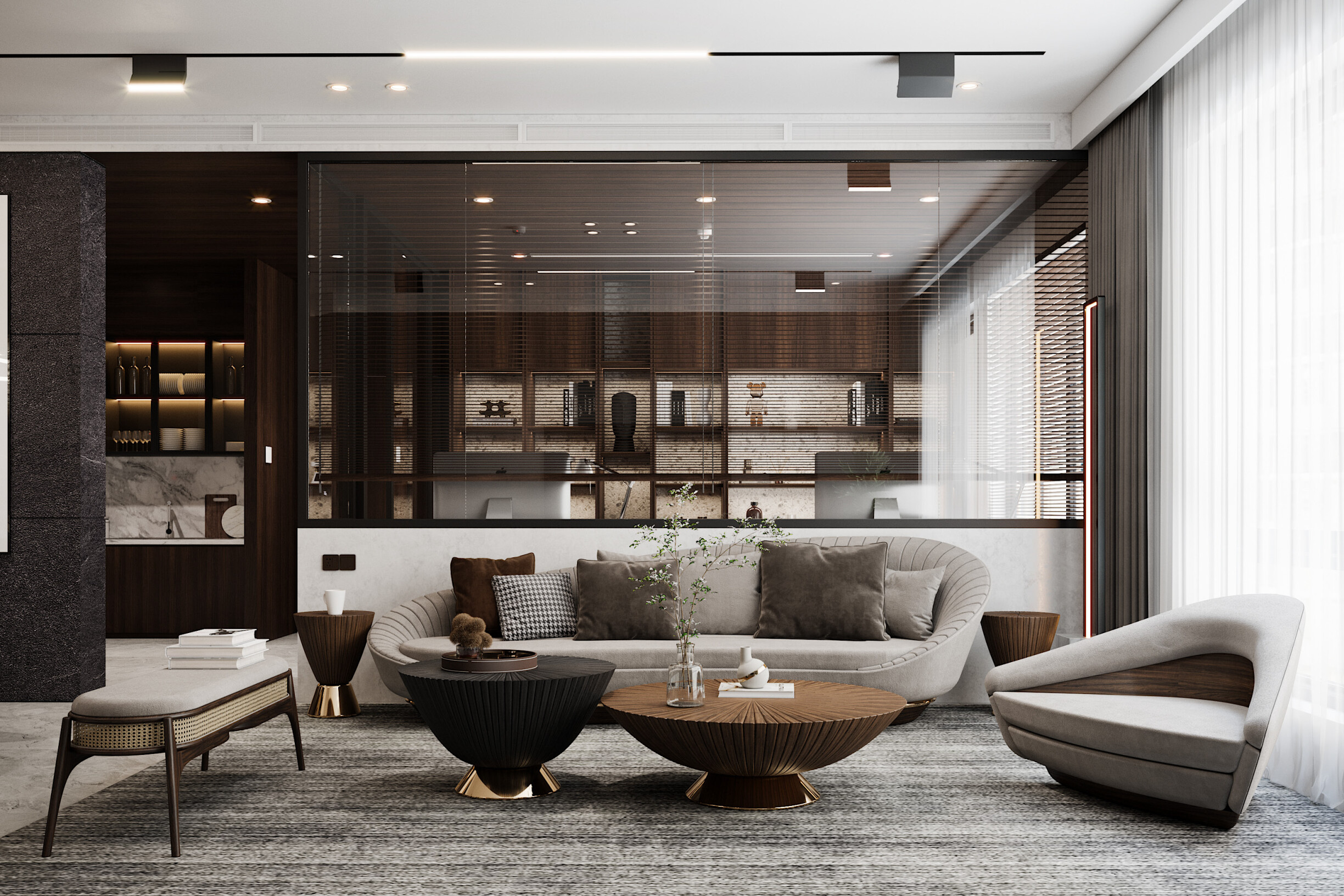
Modern furniture design emphasizes simplicity, clean lines, and functionality. Minimalist interiors often feature neutral colors, sleek surfaces, and uncluttered layouts. The idea is to create a calming environment where every piece has a purpose.
In this style, less is more. A single statement sofa or a geometric coffee table can define the entire room without overwhelming it.
Traditional and Classic Design
Traditional furniture design draws inspiration from historical styles and craftsmanship. It often includes rich wood finishes, intricate carvings, and luxurious fabrics. This style brings warmth and elegance to any space.
While it may seem outdated to some, traditional design remains popular for those who appreciate timeless aesthetics and durability.
Contemporary Design
Contemporary furniture design is ever-evolving and reflects current trends. It often blends elements from different styles, creating a balanced and versatile look. Unlike modern design, which follows a specific era, contemporary design adapts to current preferences.
Industrial and Rustic Design
Industrial furniture design features raw materials like metal and exposed wood, giving spaces a rugged, unfinished look. Rustic design, on the other hand, emphasizes natural textures and earthy tones, creating a warm and inviting atmosphere.
Both styles are popular in urban homes where character and uniqueness are valued.
Key Elements of Furniture Design
Materials Used in Furniture
The choice of materials plays a crucial role in determining the durability and aesthetics of furniture. Common materials include wood, metal, glass, and engineered materials like MDF.
Each material has its own characteristics. For example, solid wood offers longevity and natural beauty, while metal provides strength and a modern edge. In modern furniture design, combining materials is a popular trend to achieve a balanced look.
Color and Finish
Color influences mood and perception. Light-colored furniture can make a room feel spacious, while darker tones add depth and sophistication. Finishes such as matte, glossy, or textured surfaces further enhance the visual appeal.
A well-thought-out furniture design uses color strategically to complement the overall theme of the space.
Functionality and Ergonomics
Functionality is at the heart of good furniture design. Ergonomic furniture ensures comfort and reduces physical strain, especially in workspaces. Adjustable chairs, modular sofas, and multi-purpose tables are examples of how design meets practicality.
Essential Furniture Pieces for Every Home
While furniture needs vary from one household to another, some pieces are essential for most living spaces. These items form the foundation of interior design and should be chosen carefully.
- A comfortable sofa or seating arrangement for relaxation and socializing
- A sturdy dining table that accommodates daily meals and gatherings
- Functional storage units like wardrobes and cabinets
- A well-designed bed that promotes restful sleep
These elements should align with your overall furniture design theme to create a cohesive look.
Furniture Design Trends in 2026
Sustainable and Eco-Friendly Design
Sustainability is no longer a trend—it’s a necessity. Designers are increasingly using recycled materials, responsibly sourced wood, and eco-friendly finishes. This approach not only benefits the environment but also adds a natural charm to interiors.
Smart and Multifunctional Furniture
With shrinking living spaces, multifunctional furniture has become highly popular. Think of sofa beds, extendable dining tables, and storage-integrated beds. These designs maximize utility without compromising style.
Bold Colors and Statement Pieces
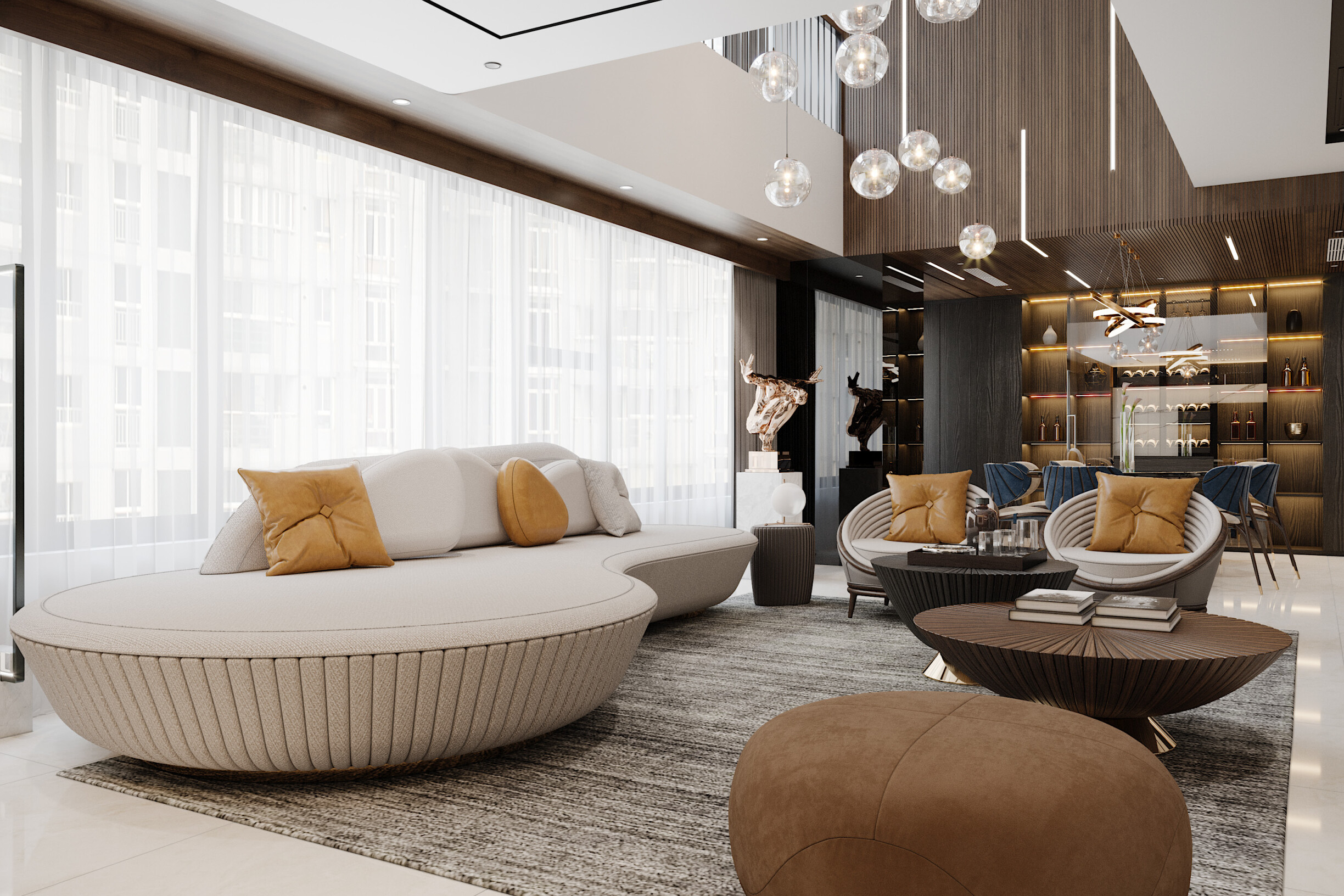
While minimalism remains popular, there’s a growing trend toward bold colors and statement furniture. Vibrant sofas, artistic chairs, and unique tables are being used to add personality to spaces.
Modern furniture design often combines neutral backgrounds with one or two standout pieces to create visual interest.
Comparison of Furniture Materials
| Material | Durability | Aesthetic Appeal | Maintenance | Cost Level |
|---|---|---|---|---|
| Solid Wood | High | Classic & Warm | Moderate | High |
| Metal | Very High | Modern & Sleek | Low | Medium |
| Glass | Moderate | Elegant & Light | High | Medium |
| Engineered Wood | Moderate | Versatile | Low | Low |
This table highlights how different materials impact the overall furniture design, helping you make informed decisions based on your needs and budget.
Tips for Choosing the Right Furniture Design
Selecting the right furniture can be overwhelming, especially with so many options available. A thoughtful approach can make the process easier and more effective.
- Consider the size and layout of your space before buying furniture
- Choose designs that match your lifestyle and daily needs
- Prioritize comfort along with aesthetics
- Invest in quality pieces that offer long-term value
By following these guidelines, you can ensure that your furniture design choices enhance both functionality and style.
FAQs
What is the most important factor in furniture design?
The most important factor is functionality. While aesthetics matter, furniture must serve its purpose effectively. A beautiful piece that is uncomfortable or impractical will not add value to your space.
How do I choose a furniture design style for my home?
Start by considering your personal preferences, lifestyle, and the existing architecture of your home. Look for inspiration online or in magazines, and choose a style that resonates with you while maintaining consistency throughout the space.
Is custom furniture design worth it?
Custom furniture design can be a great investment if you have specific requirements or unique spaces. It allows you to tailor every aspect, from size to material, ensuring a perfect fit and personalized look.
How can I make my furniture design more modern?
To achieve a modern look, focus on clean lines, neutral colors, and minimal clutter. Incorporating materials like metal and glass can also enhance the contemporary feel of your furniture.
What are the latest trends in furniture design?
Current trends include sustainable materials, multifunctional furniture, and bold statement pieces. These trends reflect a shift toward practicality, environmental awareness, and individuality.
Conclusion
Furniture plays a vital role in shaping our living environments, influencing both comfort and aesthetics. As we’ve explored, furniture design is a dynamic field that combines creativity, functionality, and innovation. From choosing the right materials to understanding different styles, every decision contributes to the overall look and feel of a space.
Modern furniture design is not just about following trends—it’s about creating spaces that reflect your personality and meet your everyday needs. Whether you prefer minimalist elegance or bold statement pieces, the key is to strike a balance between form and function.
Read More:-Modern TV Furniture Design Ideas for Stylish Living Rooms