

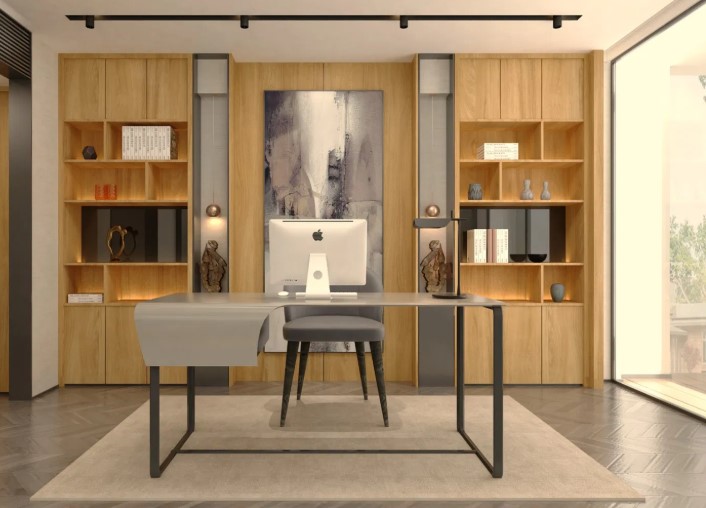

In today’s fast-evolving work culture, office spaces are no longer just about desks and chairs—they are environments that influence productivity, creativity, and employee well-being. A thoughtfully planned workspace can inspire innovation, reduce stress, and enhance collaboration. This is where office furniture design plays a crucial role. It bridges functionality with aesthetics, ensuring that every element serves a purpose while maintaining a cohesive visual appeal.
Businesses, whether small startups or large corporations, are increasingly investing in smarter furniture solutions that align with modern work needs. From ergonomic chairs to modular workstations, the shift toward intelligent and adaptable design is evident. The goal is simple: create a workspace that feels comfortable, efficient, and inspiring.
Moreover, as hybrid work models gain popularity, office furniture must now cater to flexibility and adaptability. The traditional one-size-fits-all approach is no longer effective. Instead, contemporary office furniture design focuses on personalization, sustainability, and technology integration—making workplaces more dynamic than ever before.
Understanding the Importance of Office Furniture Design
A well-designed office is more than just visually appealing—it directly impacts employee performance and health. Poor furniture choices can lead to discomfort, reduced efficiency, and even long-term health issues. On the other hand, thoughtful office furniture design enhances posture, minimizes fatigue, and encourages better workflow.
Beyond physical comfort, furniture also influences the psychological environment. For instance, open layouts with collaborative seating arrangements can promote teamwork, while private cubicles support focused tasks. The right combination creates a balanced workplace that caters to diverse work styles.
Additionally, office furniture contributes significantly to brand identity. Sleek and modern designs reflect innovation, while classic wooden furniture may convey stability and tradition. This subtle messaging can leave a lasting impression on clients and visitors.

Key Elements of Modern Office Furniture Design
Ergonomics and Comfort
Ergonomics is at the heart of effective office furniture design. Chairs with lumbar support, adjustable desks, and properly aligned monitor stands help reduce strain and improve posture. Employees who are comfortable are more likely to stay focused and productive throughout the day.
Height-adjustable desks, for example, allow users to alternate between sitting and standing positions, promoting better circulation and reducing fatigue. Similarly, ergonomic chairs with customizable features cater to individual preferences, ensuring maximum comfort.
Functionality and Flexibility
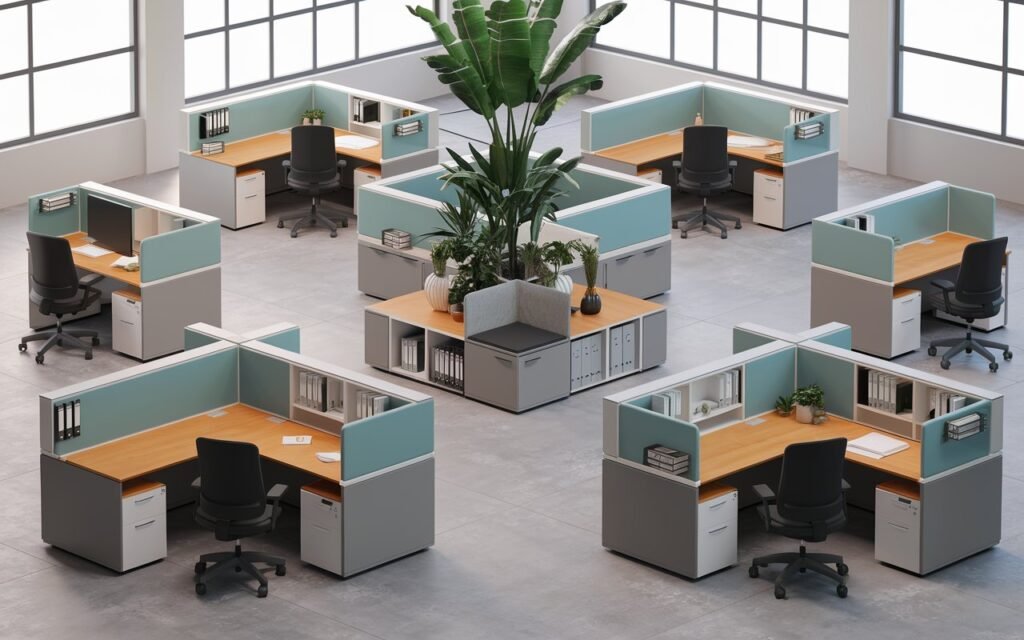
Modern offices require furniture that can adapt to changing needs. Modular desks, foldable tables, and movable partitions make it easy to reconfigure spaces as required. This flexibility is especially valuable in collaborative environments where team sizes and tasks frequently change.
Furniture that serves multiple purposes, such as storage-integrated desks or convertible seating, helps maximize space utilization. This is particularly beneficial for smaller offices where efficient use of space is critical.
Aesthetic Appeal
While functionality is essential, aesthetics cannot be overlooked. Clean lines, neutral tones, and minimalistic designs dominate contemporary office furniture design trends. However, adding pops of color through chairs or decor elements can create a lively and engaging atmosphere.
The choice of materials also plays a significant role. Glass, metal, and engineered wood are popular for their durability and modern look. Combining different textures can add depth and character to the workspace.
Types of Office Furniture for Different Workspaces
Different areas within an office require specific types of furniture to support their functions effectively. Understanding these needs helps in selecting the right pieces.
- Workstations: Designed for individual tasks, often equipped with storage and ergonomic features.
- Conference Tables: Ideal for meetings and discussions, usually larger and more formal.
- Reception Furniture: Creates the first impression, focusing on comfort and style.
- Storage Units: Includes cabinets, shelves, and drawers for organized spaces.
- Collaborative Seating: Sofas or lounge chairs for informal discussions and brainstorming.
Each type of furniture contributes to the overall efficiency and visual harmony of the workspace.
Popular Office Furniture Design Trends
Minimalist Design
Minimalism focuses on simplicity and functionality. Clean surfaces, uncluttered layouts, and neutral colors define this trend. It creates a calm environment that reduces distractions and enhances concentration.
Sustainable Materials
Sustainability is becoming a key consideration in office furniture design. Eco-friendly materials like bamboo, recycled wood, and low-VOC finishes are gaining popularity. These choices not only reduce environmental impact but also create healthier indoor spaces.
Smart Furniture
Technology integration is transforming office furniture. Desks with built-in charging ports, cable management systems, and smart lighting solutions are becoming standard. These features enhance convenience and streamline workflows.
Collaborative Spaces
Modern offices emphasize teamwork, leading to the rise of collaborative furniture. Open seating arrangements, shared desks, and breakout areas encourage communication and idea-sharing.
Choosing the Right Office Furniture Design
Selecting the right furniture requires careful planning and consideration of various factors. It’s not just about appearance but also about how well the furniture supports daily operations.
- Assess your space and layout before making decisions.
- Prioritize ergonomics to ensure employee comfort.
- Choose durable materials for long-term use.
- Maintain consistency in design for a cohesive look.
- Consider future expansion and flexibility needs.
These factors help create a workspace that is both practical and visually appealing.
Office Furniture Design Comparison Table
| Feature | Traditional Design | Modern Design |
|---|---|---|
| Style | Heavy, classic | Sleek, minimal |
| Flexibility | Fixed layouts | Modular and adaptable |
| Materials | Solid wood | Mixed materials (metal/glass) |
| Technology Integration | Limited | High |
| Space Utilization | Less efficient | Optimized |
| Cost Efficiency | Higher maintenance | Cost-effective long-term |
This comparison highlights how modern office furniture design aligns better with current workplace demands.
Designing for Small vs Large Offices
Small offices require smart planning to maximize limited space. Compact furniture, wall-mounted storage, and multi-functional pieces are ideal choices. Light colors and minimal clutter can make the space appear larger and more inviting.
In contrast, large offices offer more flexibility in design. They can accommodate diverse zones such as collaborative areas, quiet workspaces, and relaxation corners. However, maintaining a cohesive design across different areas is essential to avoid a fragmented look.
Regardless of size, the key is to create a balanced environment that supports productivity and comfort.
The Role of Colors in Office Furniture Design
Colors have a profound impact on mood and productivity. Neutral tones like white, gray, and beige create a calm and professional atmosphere, while vibrant colors like blue and green can boost creativity and focus.
Incorporating brand colors into furniture or decor elements can reinforce identity and create a cohesive visual experience. However, it’s important to strike a balance to avoid overwhelming the space.
Lighting also interacts with colors, influencing how they appear. Natural light enhances brightness, while artificial lighting should complement the chosen color palette.
FAQs
What is the importance of office furniture design in productivity?
Office furniture design directly affects comfort, posture, and workflow. Ergonomic and well-planned furniture reduces fatigue and distractions, allowing employees to focus better and work more efficiently.
How often should office furniture be updated?
Furniture should be evaluated every 5–10 years, depending on wear and evolving needs. Updating furniture ensures it remains functional, comfortable, and aligned with modern trends.
What materials are best for office furniture?
Durable materials like engineered wood, metal, and high-quality plastics are commonly used. Sustainable materials are also gaining popularity due to their environmental benefits.
How can small offices optimize furniture design?
Small offices can use multi-functional furniture, vertical storage, and compact designs to maximize space. Keeping the layout simple and uncluttered also helps improve efficiency.
Is ergonomic furniture worth the investment?
Yes, ergonomic furniture is a valuable investment. It improves employee health, reduces absenteeism, and enhances overall productivity, making it cost-effective in the long run.
Conclusion
Office spaces have evolved into dynamic environments that demand thoughtful planning and design. The importance of office furniture design cannot be overstated, as it influences not only the visual appeal of a workspace but also the well-being and productivity of those who use it.
By focusing on ergonomics, functionality, and aesthetics, businesses can create environments that inspire creativity and efficiency. Modern trends such as sustainability, smart furniture, and collaborative layouts further enhance the workplace experience.
Read More:-Smart Small Kitchen Furniture Design Ideas for Modern Homes