

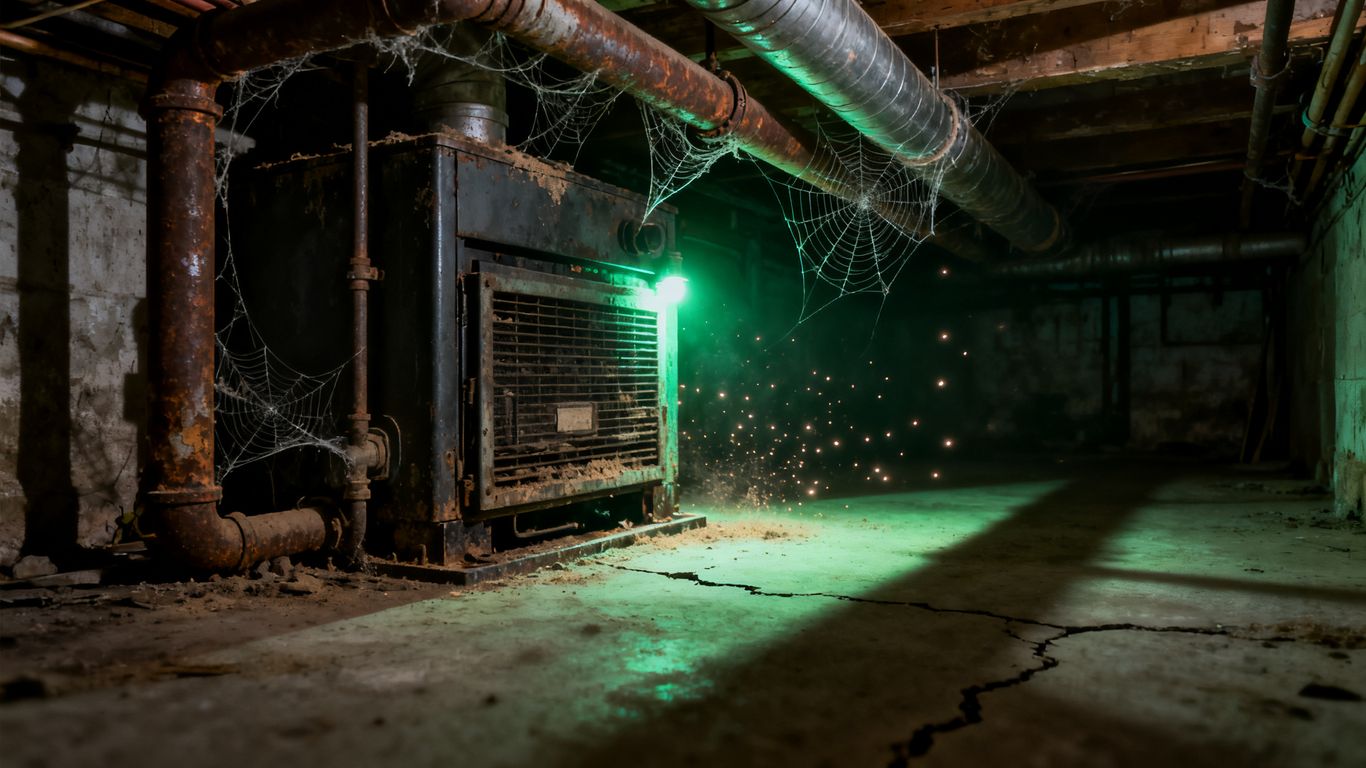

When you’re looking at an older home’s heating setup, especially in the basement, it’s smart to be aware of what materials might be lurking. Asbestos was used a lot in the past because it’s good at handling heat and it was cheap. This means your furnace, the pipes connected to it, and the ducts carrying warm air could all have asbestos in them. Spotting potential asbestos isn’t always easy, as it often looks like regular insulation.
Common Locations for Asbestos in Furnaces
Furnaces themselves, particularly older models, might have asbestos-containing insulation. This could be in the form of cement-like coatings around the combustion chamber or as removable panels and blankets designed to keep the heat in. Sometimes, even the gaskets or seals used in furnace construction contained asbestos. If you see a thick, gray, or white material that looks like cement or a hard board around your furnace, it’s worth a closer look. It might also appear as a soft, fibrous material, especially if it’s deteriorated.
Asbestos Insulation in Heating Ducts
Your heating ducts are another common place to find asbestos. It was often applied as a wrap or spray-on material directly onto the ductwork. This insulation helped reduce heat loss as the air traveled through your home. You might see it as a white or gray fabric-like material wrapped around the ducts, sometimes secured with tape. In other cases, it could be a sprayed-on coating that gives the ducts a rough, textured appearance. This type of insulation on ductwork could resemble white or gray tape, cloth, or cardboard.
Visual Clues of Asbestos Presence
While definitive identification requires professional testing, there are visual cues to watch for. Look for:
- Materials that are crumbling, flaking, or appear worn.
- White, gray, or sometimes brown fibrous or papery insulation.
- Materials wrapped around pipes or ducts, especially if they look like old cloth or tape. Asbestos duct tape was commonly used.
- Textured or ‘popcorn-like’ coatings on surfaces near heat sources.
If you notice any of these signs, it’s best not to disturb the material. The only way to know for sure if asbestos is present is through laboratory testing.
Understanding Asbestos in Older Homes
Historical Use of Asbestos Materials
If you’ve ever owned or worked on a house built before 1980, you may have heard warnings about asbestos. There’s a good reason for that—asbestos was a go-to ingredient in building materials for decades. Starting back in the early 1900s, manufacturers loved using asbestos in insulation, pipe wrap, wallboard, siding, vinyl tiles, and so much more. It shows up from basement to attic. The main draw? Asbestos resist heat and fire, making it seem perfect for anything involving heating appliances or areas exposed to high temperatures. Even now, decades after people learned about the health hazards, many older houses still have some of this stuff lurking somewhere, especially around the heating system or ductwork.
The Appeal of Asbestos Properties
Before the downsides were clear, asbestos seemed like a miracle. It’s lightweight, tough, and just doesn’t burn. That made it perfect for places that needed to stay cool to the touch or keep heat from escaping. Plus, it was cheap and easy to get, so builders used it for:
- Pipe insulation and boiler covers
- Floor tiles and adhesives
- Roofing felt and shingles
- Wrap on heating ducts and furnaces
It was everywhere, not just behind the walls or under the floors, but sometimes even in things like window glazing and textured ceiling finishes.
Prevalence in Homes Built Before 1980
Most older homes—especially those built from the 1940s to the late 1970s—are likely to have materials that contain asbestos. Some might assume only really old properties are affected, but even houses built right up until the 1980s might still have it. That’s because asbestos use didn’t actually stop overnight. Upgrades or repairs in the 1960s or 1970s often included whatever materials were most common at the time, and in many cases that meant asbestos. This means both original features and past renovations can hide asbestos hazards. According to recent housing studies, heating systems and pipe wraps in older homes stand out as frequent sources.
So, anyone with an older property should stay alert. If you spot insulation with a papery, fabric-like, or cement texture—especially in the basement near heating appliances—there’s a chance asbestos is present. When in doubt, it’s best to consult a professional, especially before taking on any kind of DIY repairs or renovations.
Potential Asbestos Hideouts in Basements
Basements in older homes can sometimes feel like a forgotten storage space, but they also present a few key areas where asbestos materials might be hiding, especially around your home’s heating infrastructure. It’s wise to be aware of these spots if your house was built before the 1980s.
Asbestos Pipe Insulation Near Heat Sources
Around boilers, water heaters, and furnaces, you’ll often find pipes carrying hot water or steam. In older homes, these pipes were frequently wrapped in insulation to keep the heat in. This insulation often looks like a white or gray, somewhat papery or fibrous material. Sometimes it’s covered with a cloth or tape-like outer layer. If this material appears old, brittle, or is starting to crumble, it could be releasing asbestos fibers. Disturbing it, even accidentally, can make those microscopic fibers airborne. If you notice any signs of wear on this pipe wrapping, it’s best to leave it undisturbed and seek professional advice. You can find more information on identifying asbestos in HVAC systems at asbestos in HVAC systems.
Insulation Surrounding Boilers and Furnaces
Boilers and furnaces themselves, being the heart of the heating system, were often built with or insulated by asbestos-containing materials. This could be in the form of spray-on insulation that gives a textured, almost popcorn-like finish, or rigid insulation blocks fitted around the appliance. These materials were used for their excellent heat resistance and fireproofing qualities. Over time, this insulation can degrade, especially if the appliance vibrates or if there’s been any minor damage. The powdery residue that might appear around these units is a cause for concern.
Deterioration as a Warning Sign
Regardless of the specific location, the condition of the material is a significant indicator. Asbestos materials that are intact and undisturbed pose less of an immediate risk. However, when they start to show signs of wear and tear – such as cracking, fraying, or crumbling – they become a potential hazard. This deterioration is often more noticeable in areas that experience temperature fluctuations or vibrations, common in basement heating systems. Look for:
- Loose or powdery material around pipes or appliances.
- Cracked or torn insulation wrap.
- Any visible dust or debris that seems unusual around the heating equipment.
If you suspect any of these materials might contain asbestos, the safest approach is to avoid touching them and contact a qualified professional for an assessment. Understanding the potential presence of asbestos in pipe insulation is key to maintaining a safe home environment.
Risks Associated with Asbestos Exposure
Asbestos can be a hidden threat in the home—especially in older heating systems and ductwork. The real danger surfaces when these materials break down or get disturbed, letting loose tiny fibers you can’t see or smell. Many people don’t realize the long-term risks until symptoms show up years down the line.
The Danger of Inhaling Microscopic Fibers
The main risk comes when someone breathes in asbestos fibers. When these fibers are disturbed—say during a renovation or when insulation deteriorates—the particles can hang around in the air for days. Once inhaled, they stick inside the lungs where the body can’t easily break them down or remove them. Over time, this can lead to major health issues. Breathing in even a small amount may be hazardous, especially if exposure happens again and again.
People who work in construction, renovation, or those living in houses built before 1980 are especially vulnerable. Even family members can face risks if fibers travel home on clothing. You can see more about
asbestos in ductwork health consequences for additional details.
Friable Asbestos and Airborne Risks
The term “friable” refers to asbestos material that’s so weak or crumbly you can crush it just by touching it. That’s the worst kind because it easily releases fibers into the air with very little disturbance. Classic examples are insulation around old heating ducts, pipe wrappings, or deteriorating tape in the basement.
Some key points about friable asbestos:
- It’s most hazardous when dry and breaking apart
- Renovation, repairs, or even minor bumps can disturb it
- It stays suspended in air for long periods, increasing the chance of inhaling fibers
Because of this, even parts of your home you rarely enter—like a crawl space or attic—might pose a risk if friable asbestos is present.
Long-Term Health Consequences
Asbestos exposure isn’t like catching a cold—you don’t feel the impact right away. The effects show up slowly, sometimes taking decades. These are the most common long-term health problems linked to asbestos:
- Mesothelioma – a rare cancer almost always caused by asbestos
- Asbestosis – when lungs become scarred, making it hard to breathe
- Lung cancer – exposure to asbestos raises this risk, especially in smokers
There are other concerns too—like pleural plaques, which are thickened areas on the lining of the lungs. Often, these don’t cause symptoms but signal past exposure and possibly higher risk for serious conditions later on.
Chronic exposure also increases the risk for cancers outside the lungs, such as in the larynx or even the stomach. For those who already have lung conditions or who smoke, the dangers grow even more. Long-term or heavy contact is the worst, but even one-time, high-level exposures can trigger problems years later.
If you live in an older home or suspect asbestos might be present, it’s safer to contact a professional for advice. Prolonged exposure makes future health problems more likely, as explained by risks of airborne asbestos. Don’t ignore warning signs, and never try to remove or disturb suspect materials yourself.
When to Suspect Asbestos in Your Home
It can be tough to know if asbestos is hiding somewhere in your home, especially if you’re just eyeballing the situation. There are a few practical signs and situations that should make homeowners pause and consider the possibility of asbestos—especially in and around heating systems. Here’s what to look for, section by section:
Insulation Around Heating Appliances
Old furnaces and boilers in homes built before 1980 could be wrapped in asbestos-based insulation. Keep an eye out for any kind of thick, chalky, or fibrous wrapping on:
- The furnace’s exterior, connections, or exhaust pipes
- Water heater jackets
- Pipe elbows or bends where extra insulation was often packed on
Don’t touch or poke at these materials—even if you’re curious. Many times, the asbestos remains safely in place unless it’s disturbed. For anyone working in HVAC or with similar systems, there’s also a history of possible exposure in these areas, as noted in some worker reports (heating duct asbestos context).
Wrapped or Sprayed Ductwork
Heating ducts in older homes often have an outer layer of insulation that looks gray, white, or even slightly fuzzy. There are a few warning signs you might notice:
- Tape that’s fraying or breaking down around duct joints
- A powdery or brittle texture along the ductwork’s surface
- Material that looks like it might flake or crumble if touched
It’s not always easy to confirm if something is asbestos just by looking. Still, if you spot these clues, it’s safer to assume it could be and treat it with respect. A more detailed discussion on this can be found in resources about HVAC systems and asbestos (gray or white insulation clues).
Materials in Crawl Spaces and Attics
A lot of asbestos-containing materials ended up in the out-of-sight corners of homes, like crawl spaces or attics. Here are some spots to check, visually—remember, just look, don’t touch:
- Old insulation, especially if it looks pebble-like or is loose-fill
- Wrappings around water, steam, or heating pipes
- Spray-applied insulation in hard-to-access places
If you suspect you’ve found asbestos in any of these spots, it’s best to leave it alone and call in a pro for real testing.
When in doubt, resist trying to investigate or clean up the material yourself. Make a note, steer clear, and have a qualified inspector handle the next steps. The risks of disturbing asbestos far outweigh the urge to just get rid of it quickly yourself.
Professional Assessment and Removal
When you suspect asbestos might be present in your heating system or other parts of your basement, the most important step is to call in the experts. Trying to identify or remove it yourself is not recommended and can actually make the situation more dangerous. Professionals have the training and equipment to handle these hazardous materials safely.
Why DIY Asbestos Removal is Discouraged
It’s impossible to tell if a material contains asbestos just by looking at it. Even if you suspect it, disturbing asbestos-containing materials can release microscopic fibers into the air. These fibers are the real danger, as they can be inhaled and lead to serious health problems down the line. Actions like sweeping, vacuuming, drilling, or sawing near suspected asbestos can stir up these fibers. Homeowners should never attempt to test for or remove asbestos themselves.
The Importance of Professional Testing
Certified asbestos inspectors are the only ones who can definitively confirm its presence. They will take samples of suspect materials and send them to a lab for analysis. This testing is a necessary first step before any remediation can begin. If asbestos is found, the inspector can advise on the best course of action. You can find qualified professionals through local environmental agencies or by asking for recommendations from trusted sources. Getting professional testing is key to understanding the scope of the issue.
Safe Encapsulation or Abatement Procedures
Once asbestos is confirmed, professionals will determine the best way to deal with it. This usually involves one of two methods:
- Encapsulation: This involves sealing the asbestos-containing material with a special coating to prevent fibers from becoming airborne. It’s often a less disruptive and less costly option if the material is in good condition.
- Abatement (Removal): This is the complete removal of the asbestos-containing material. This process requires strict containment measures to prevent fiber release. The area is sealed off with plastic sheeting, and workers wear specialized protective gear. After removal, the area is thoroughly cleaned using HEPA vacuums, and the asbestos waste is disposed of according to strict regulations. Asbestos removal is a complex job that requires specialized knowledge and adherence to safety protocols.